City Without a Plan: Experience Culture, Architecture, and Everyday Life at Your Own Pace

City Without a Plan: Experience Culture, Architecture, and Everyday Life at Your Own Pace
Traveling to a big city without a fixed plan might sound intimidating—but for many, that freedom is exactly what makes the experience unforgettable. When you let go of the checklist and allow the city to guide you, it reveals itself in ways no itinerary ever could. You notice the small details, feel the rhythm of daily life, and gain a more authentic sense of place. Here’s how to explore a city at your own pace—without stress, but with curiosity and openness.
Forget the Checklist—Follow Your Senses
Most cities are packed with must-see landmarks, museums, and attractions. But instead of racing to check them all off, try letting the day unfold naturally. Start with a coffee at a neighborhood café and see where the morning takes you. Maybe a side street catches your eye, or you hear live music drifting from a nearby square.
Traveling without a plan doesn’t mean avoiding experiences—it means making room for spontaneous ones. It’s often in those unplanned moments that you feel the city’s true spirit: a street performer’s melody, a chat with a local, the scent of fresh bread from a market, or the way sunlight hits a historic building.
Architecture as a Story
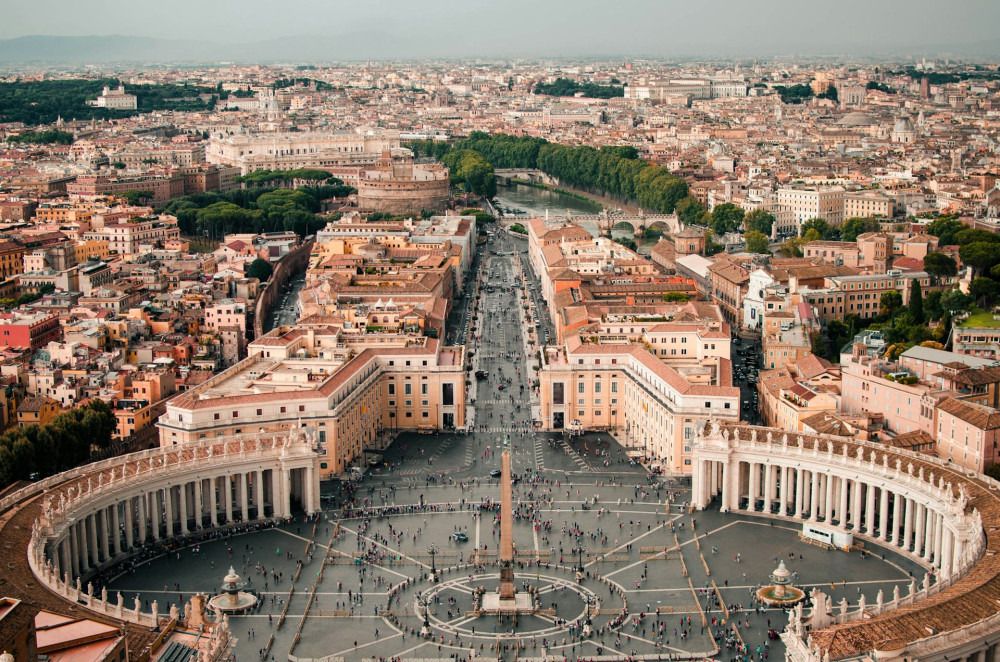
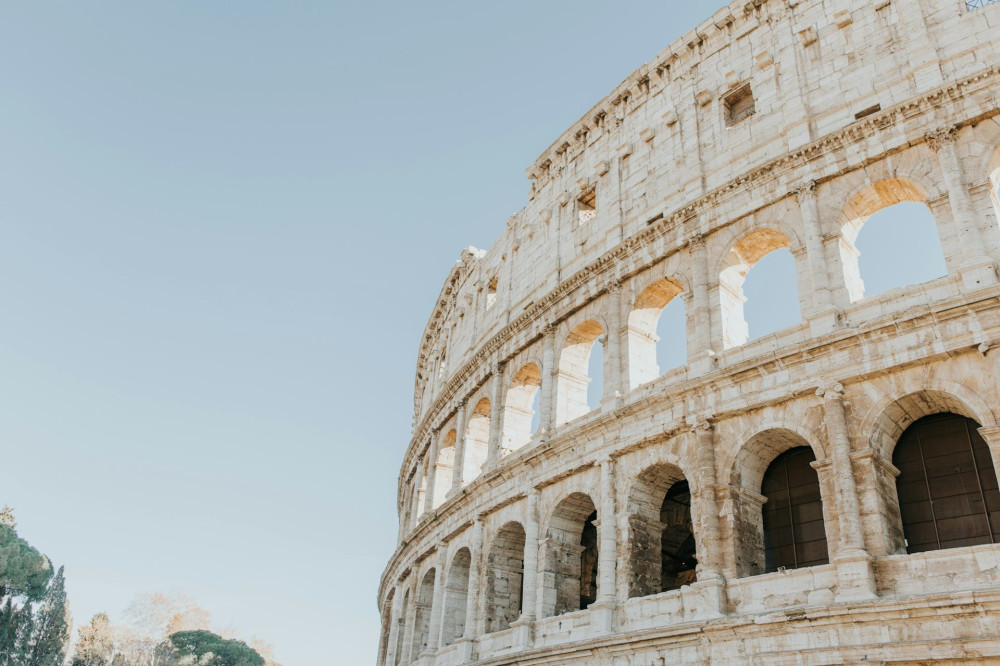
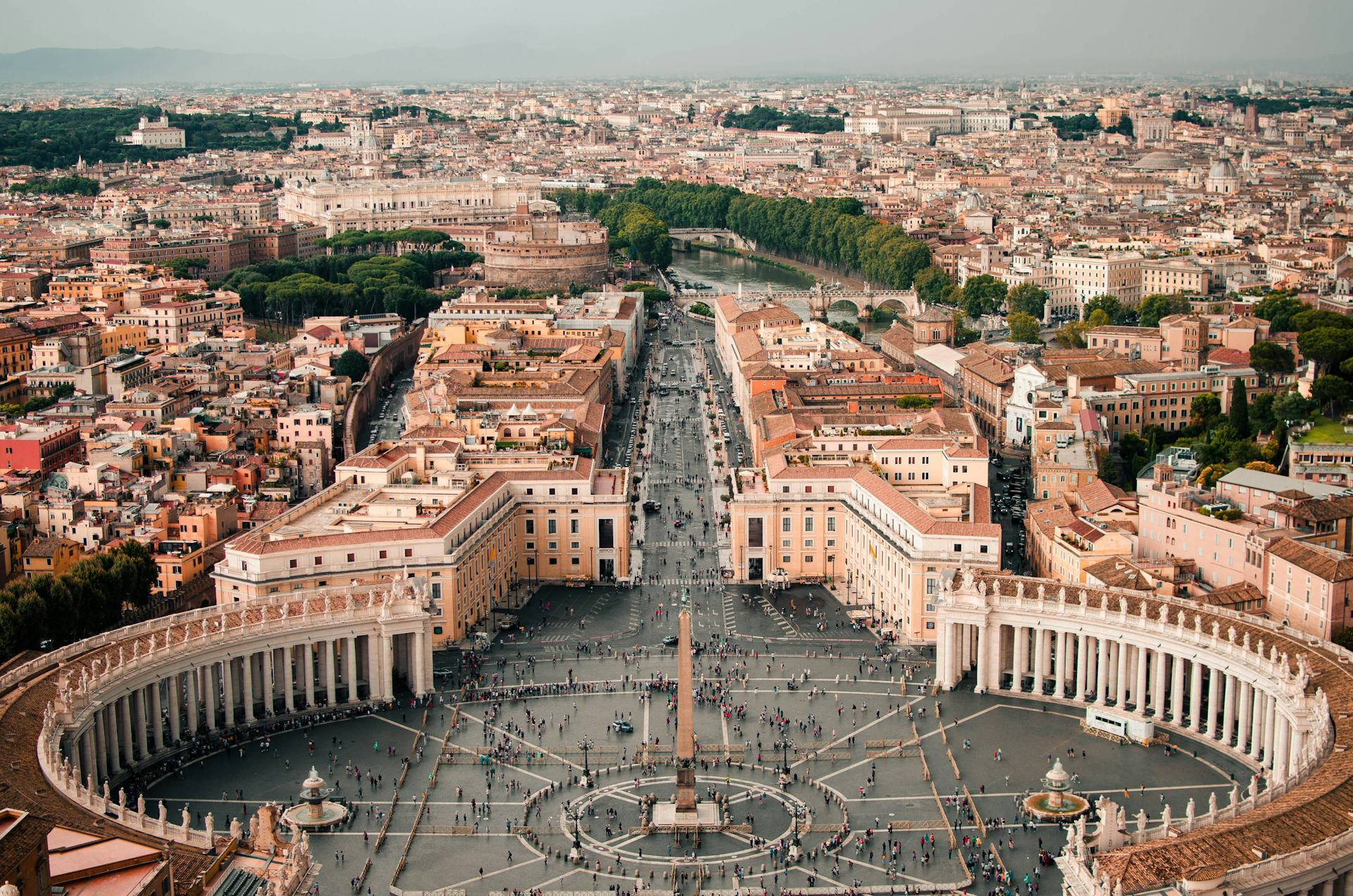
Cities are living storybooks. Every building, façade, and plaza carries traces of time. When you wander without a destination, you start to notice contrasts—the old beside the new, the ornate next to the minimalist.
Take time to look closely: a carved doorway, a mosaic floor in a lobby, a sleek glass tower reflecting a century-old church. Architecture tells the story of how a city has evolved and what its people have valued through the years.
You don’t need to be an expert to appreciate it. It’s about seeing, noticing, and letting yourself be fascinated by how humans have shaped their surroundings.
Læs også:
Meet Everyday Life, Not Just Tourism
Step away from the busiest districts, and you’ll find the city’s real heartbeat. Here, it’s not about souvenir shops but about the baker who knows every customer, kids walking to school, and retirees chatting on park benches.
Sit for a while and observe. Step into a local grocery store or a small diner where no one’s trying to sell you anything. Order what the locals are having, and let yourself be surprised. It’s in these everyday encounters that you truly understand how a city lives—and how its people connect.
Take Time to Get Lost
Getting lost is an underrated travel skill. In many cities, it’s when you lose your bearings that you stumble upon the most memorable places—a hidden courtyard, a tiny gallery, a bookstore you’d never have found on a map.
Put your phone away for a bit and follow your instincts. If you get tired, find a café and watch life go by. That’s not wasted time—it’s part of the experience.
When you eventually find your way back, you’ll realize you’ve gained a more personal sense of the city than any planned route could have given you.
Create Your Own Rituals
Even without a plan, you can create small rituals that bring rhythm and comfort to your trip. Maybe you start each morning with a walk through a favorite neighborhood, visit the same bakery, or find a spot to watch the sunset. These little routines give you a sense of belonging, even if you’re only there for a few days.
Having a familiar ritual amid the unpredictable makes you feel more at home—and that’s often when travel becomes most meaningful.
Bring the City Home—in Spirit
When you travel without a plan, you don’t just learn about the city—you learn about yourself. You discover how you respond when you’re not in control, and how joy can come from the unexpected.
Maybe you’ll bring that mindset home: taking a different route to work, exploring a new café in your own town, or simply slowing down to notice what’s around you. Because in the end, traveling without a plan isn’t just about seeing the world—it’s about learning to experience it with open eyes.
Læs også: