The Pace of Travel: How It Shapes Your Experiences and Inner Calm

The Pace of Travel: How It Shapes Your Experiences and Inner Calm
In an age when a flight can take you from New York to Tokyo in less than a day, and social media feeds overflow with snapshots from every corner of the globe, it’s easy to forget that how we travel shapes what we experience—and how we feel. The pace of travel isn’t just a matter of logistics or schedules; it’s a choice that influences our sense of presence, connection, and inner calm.
When Speed Defines the Experience
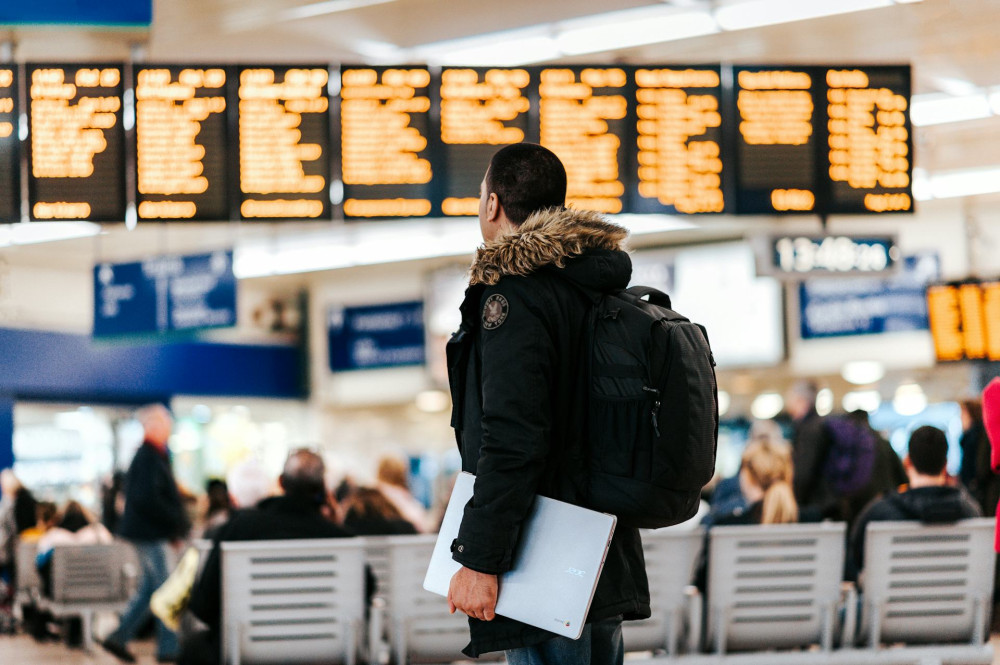
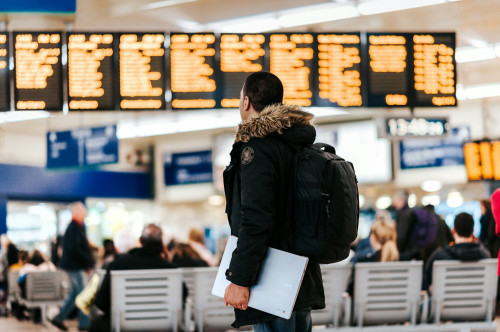
Many travelers equate a successful trip with seeing as much as possible in a short time. “Ten cities in ten days” sounds efficient, but often the memories that linger are of airports, train stations, and hotel check-ins rather than the places themselves. A fast pace can create a sense of accomplishment, but it can also leave us feeling rushed and detached.
When we slow down—taking the train instead of flying, walking through a neighborhood instead of hailing a rideshare—we open ourselves to a different kind of experience. We notice the scent of coffee drifting from a local café, the rhythm of a street musician’s song, or the quiet conversation with a stranger that becomes the highlight of the day. These moments rarely happen when we’re racing from one attraction to the next.
Slow Travel as an Antidote to Everyday Rush
The idea of “slow travel” has grown as a response to the fast-paced, checklist style of tourism. It’s not necessarily about traveling far or for long periods, but about being fully present wherever you are. It means choosing fewer destinations, staying longer in one place, and letting experiences unfold naturally.
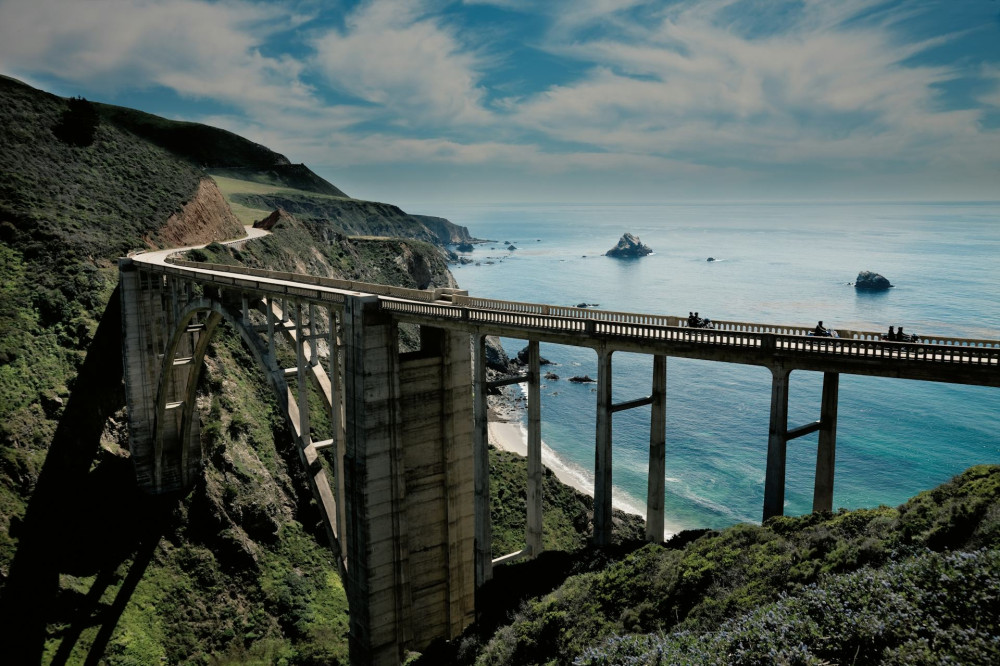
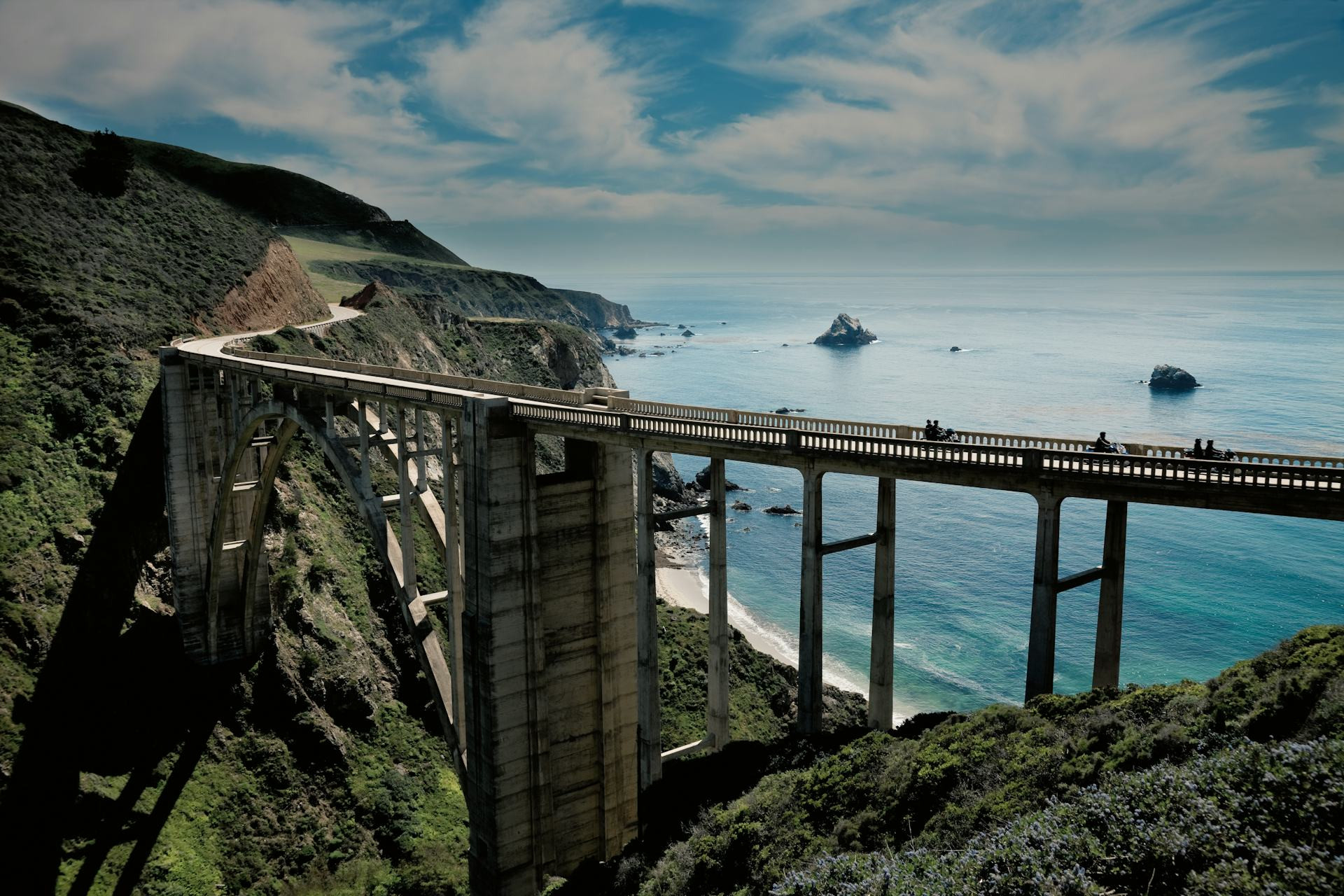
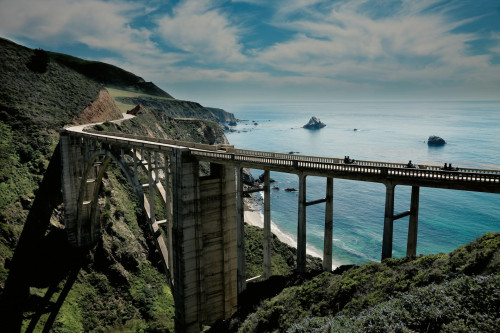
In the U.S., this might look like taking a cross-country train instead of a flight, driving the Pacific Coast Highway with no fixed schedule, or spending a week exploring one small town instead of hopping between cities. The journey itself becomes part of the story. Watching the landscape shift from desert to forest or feeling the ocean breeze on a coastal walk connects you more deeply to the world around you.
The Inner Journey – Finding Calm in the Rhythm
The pace of travel doesn’t just affect what we see; it shapes how we feel. When we’re constantly on the move, our minds stay in high gear—checking maps, planning the next stop, chasing the perfect photo. But when we slow down, our thoughts begin to settle. We become more aware of the present moment and of ourselves.
Many travelers find that slowing down brings unexpected clarity. Long walks, quiet mornings, or unhurried meals can spark reflection—about life choices, relationships, or simply the joy of being. The calm that comes from not needing to be anywhere else may be one of travel’s greatest gifts.
Læs også:
Practical Ways to Slow the Pace
You don’t need to overhaul your travel style to experience the benefits of slowing down. Small choices can make a big difference:
- Choose fewer destinations. Spend more time in one place instead of rushing between many.
- Opt for ground travel. Trains, buses, or road trips let you see the landscape and meet people along the way.
- Build in downtime. Schedule moments to sit in a park, read, or simply watch the world go by.
- Stay local. Rent a room or apartment in a residential area rather than a tourist district.
- Leave space for spontaneity. The best experiences often happen when you’re not in a hurry.
These small adjustments can transform a trip from a checklist into a living experience that unfolds at its own pace.
Bringing the Calm Home
A slow journey doesn’t end when you return home. Many travelers find that the mindfulness and ease they discovered on the road can carry into daily life—walking instead of driving short distances, spending more time outdoors, or simply resisting the urge to rush.
Ultimately, traveling slowly is about choosing quality over quantity—in experiences, in connections, and in the rhythm of life itself. When we allow ourselves to move at a gentler pace, we discover that the world doesn’t pass us by. It becomes more vivid, more human, and more deeply our own.
Læs også: