Familiar and Unknown Germany: Discover the Country from a Bus Window

Familiar and Unknown Germany: Discover the Country from a Bus Window
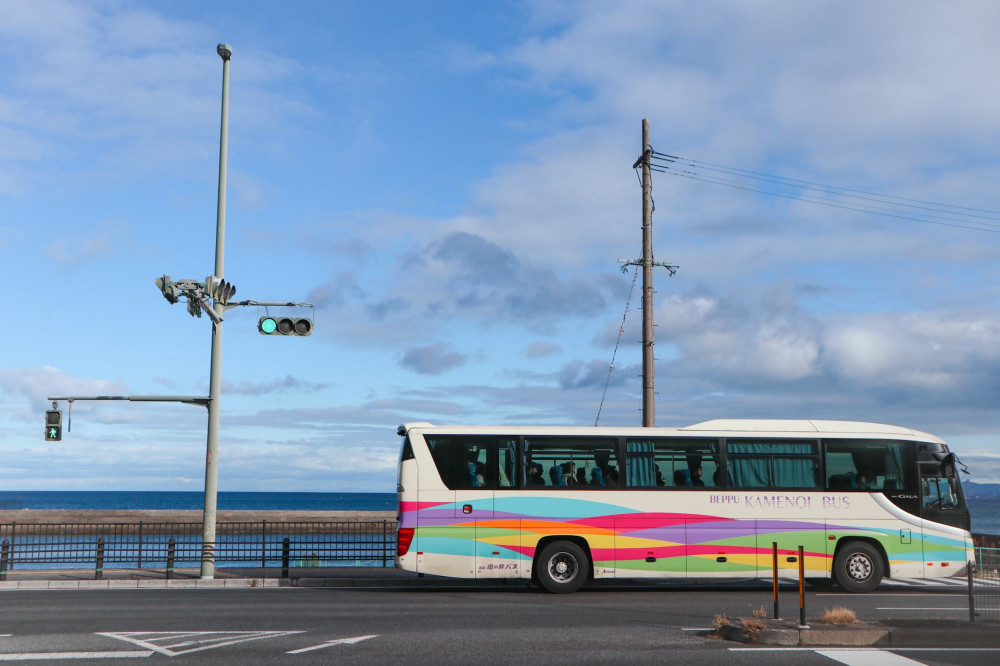
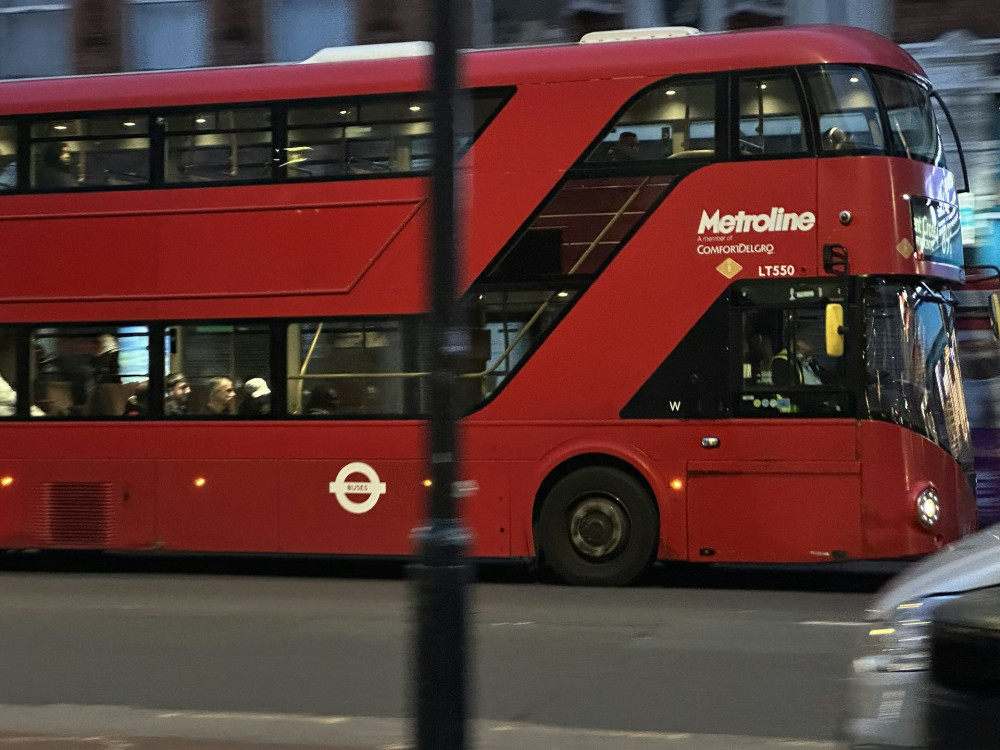
Traveling through Germany by bus is like watching a living map unfold. From Bavaria’s rolling hills to the industrial heart of the Ruhr and the historic towns of Saxony, the country reveals itself at a pace that invites you to see, feel, and understand. Where planes fly over and trains rush past, the bus offers a chance to experience both the familiar and the hidden sides of Germany — from the rhythm of the autobahn to the quiet life of small villages.
A Journey at Eye Level
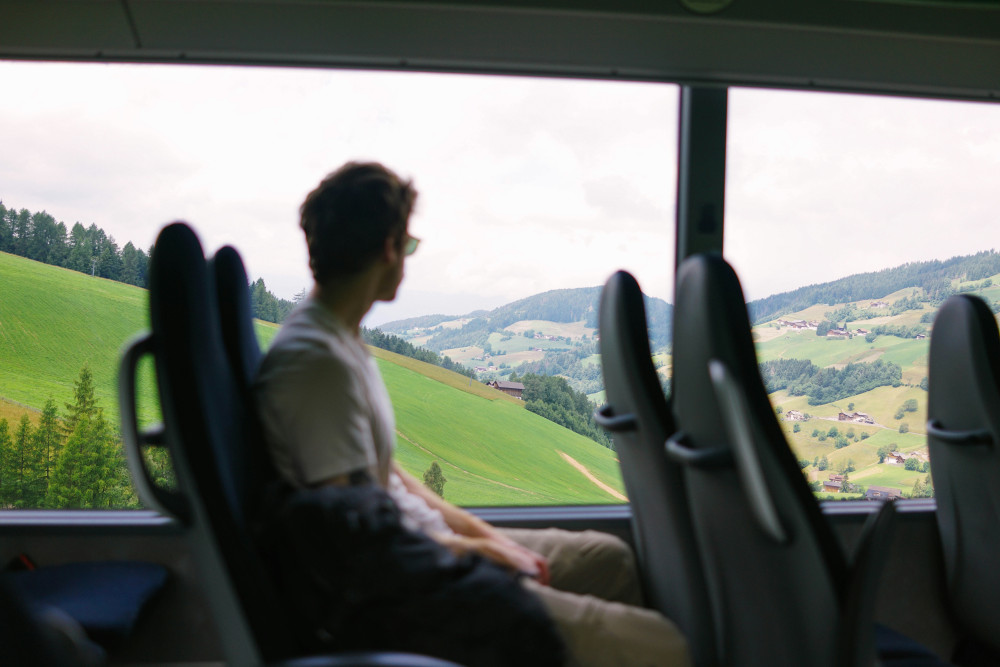
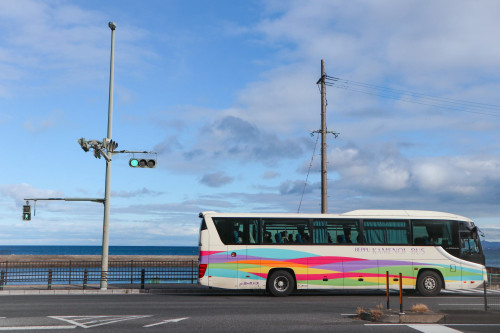
A bus journey is travel at eye level. The landscape changes right outside your window: vineyards, half-timbered houses, wind turbines, and forested hills. It’s a way to experience Germany where the road itself becomes part of the adventure, not just the means to reach your destination.
Many bus routes pass through regions rarely mentioned in guidebooks. A rest stop in Thuringia might lead to a chat with locals, and a short break in a small town could reveal a market square where you can taste fresh bread or regional sausages. It’s in these small, unplanned moments that Germany’s diversity truly comes alive.
From City to Countryside – Contrasts on Wheels
Germany is a country of contrasts, and you can feel that from your seat on the bus. In the north, flat landscapes stretch toward the North and Baltic Seas, dotted with windmills and fishing villages. In the south, the roads wind through Alpine foothills and picturesque mountain towns.
- Berlin offers a mix of modern architecture, street art, and powerful historical landmarks. A bus tour through the city reveals its many layers — from the Brandenburg Gate to the creative neighborhoods along the Spree River.
- Dresden and Leipzig showcase the renewed energy of eastern Germany, where cultural heritage meets innovation.
- Munich and Nuremberg in the south blend tradition and technology — beer gardens coexist with research centers and design hubs.
- The Moselle Valley and the Rhine River offer some of Europe’s most scenic bus routes, where vineyards and medieval castles reflect in the water below.
To travel across Germany is to see a country constantly evolving, yet deeply rooted in its local character.
Bus Travel as a Sustainable Choice
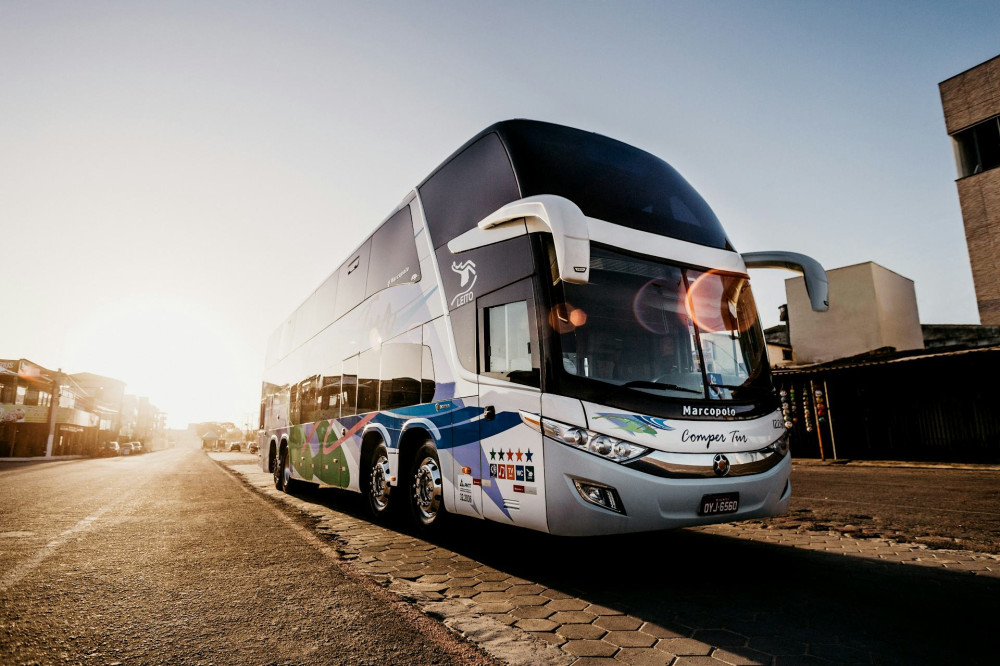
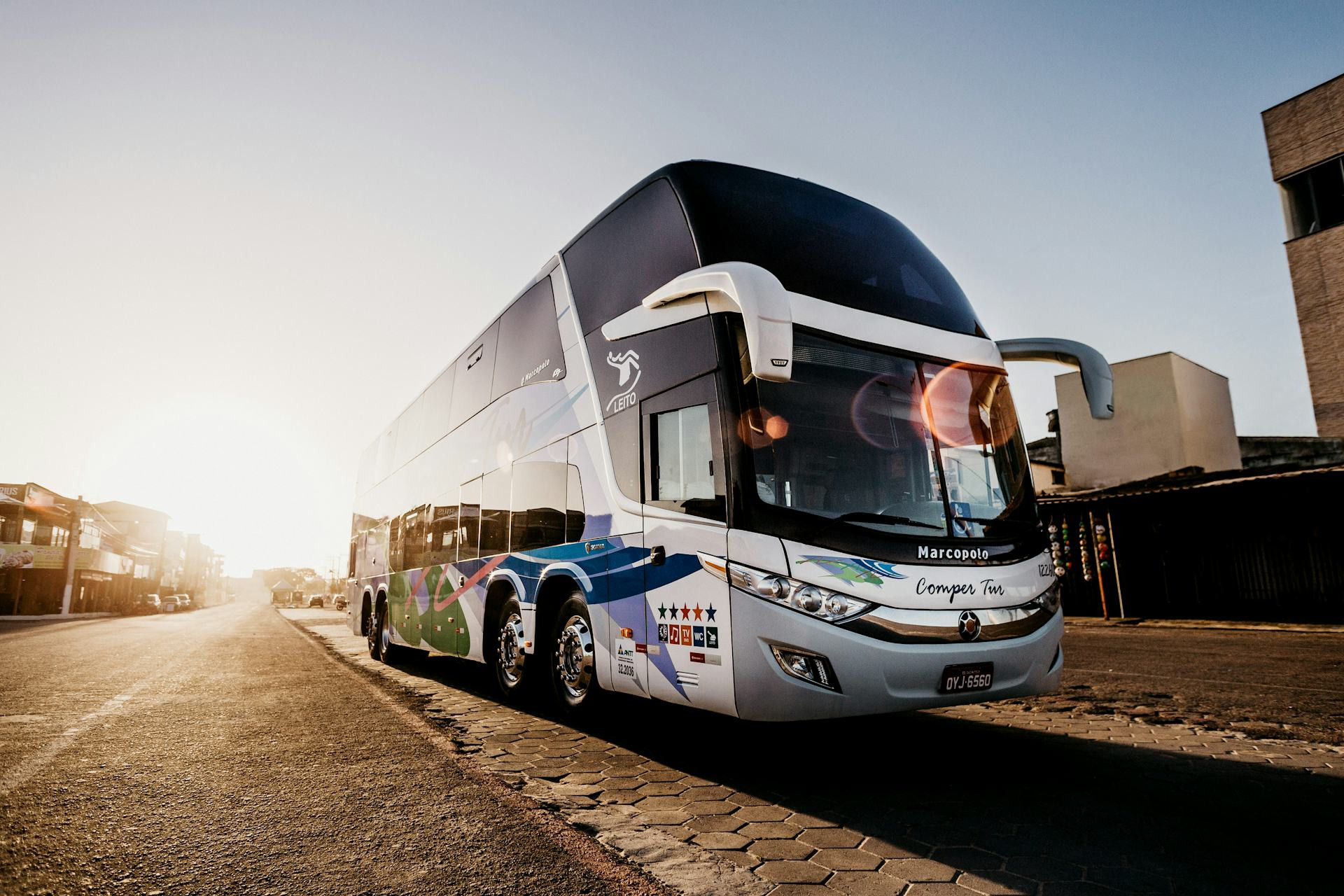
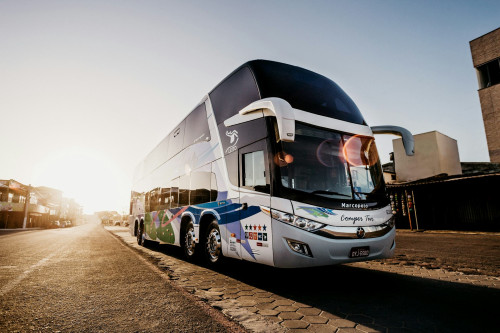
More travelers are choosing buses as a sustainable alternative to flying or driving. Modern coaches are comfortable, energy-efficient, and often equipped with Wi-Fi, air conditioning, and reclining seats. Sharing the ride with others also helps reduce your carbon footprint.
For many, bus travel is about slowing down. You avoid the stress of airports and parking lots and instead can lean back, read a book, or simply enjoy the view. It’s travel time that feels like part of the vacation — not just the journey between destinations.
Meeting the Local Side of Germany
One of the great advantages of bus travel is flexibility. Many tour operators include stops in smaller towns where you can explore local markets, museums, or nature parks. You might spend a morning in the romantic town of Rothenburg ob der Tauber, an afternoon by Lake Constance, or an evening drive through the Harz Mountains.
These stops open a window to the Germany beyond the major tourist attractions — a country of local breweries, family-run workshops, and welcoming people eager to share stories about their region.
Practical Tips for Your Bus Trip
To make the most of your journey, a little preparation goes a long way:
- Choose your route carefully – some focus on major cities, others on nature or culture.
- Pack light – you’ll need to handle your luggage during stops and overnight stays.
- Bring snacks and water – even with rest breaks, it’s nice to have something on hand.
- Keep your travel documents handy – the euro is standard, but some small places still prefer cash.
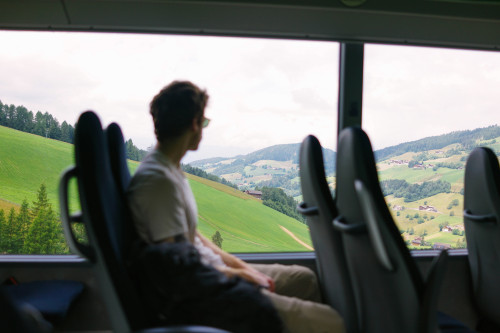
- Grab a window seat – that’s where the real experience unfolds.
Læs også:

A Country Revealed Mile by Mile
Experiencing Germany from a bus window means watching a country in motion — historically and in the present. You see traces of the past in old city walls and factory buildings, but also the future in wind farms and modern urban spaces. It’s a journey where you witness both the familiar and the unknown — and where the road itself becomes part of the story.
Læs også: