Finding Balance on Vacation – How to Combine Relaxation and Adventure Without Stress


Finding Balance on Vacation – How to Combine Relaxation and Adventure Without Stress
For many Americans, vacation time is precious—a chance to recharge, explore, and reconnect. But in the quest to make every moment count, it’s easy to overplan and return home more exhausted than when you left. The key to a truly restorative trip lies in balance: finding the rhythm between rest and adventure, between structure and spontaneity. Here’s how to create a vacation that leaves you both fulfilled and refreshed.
Start by Asking What You Really Need
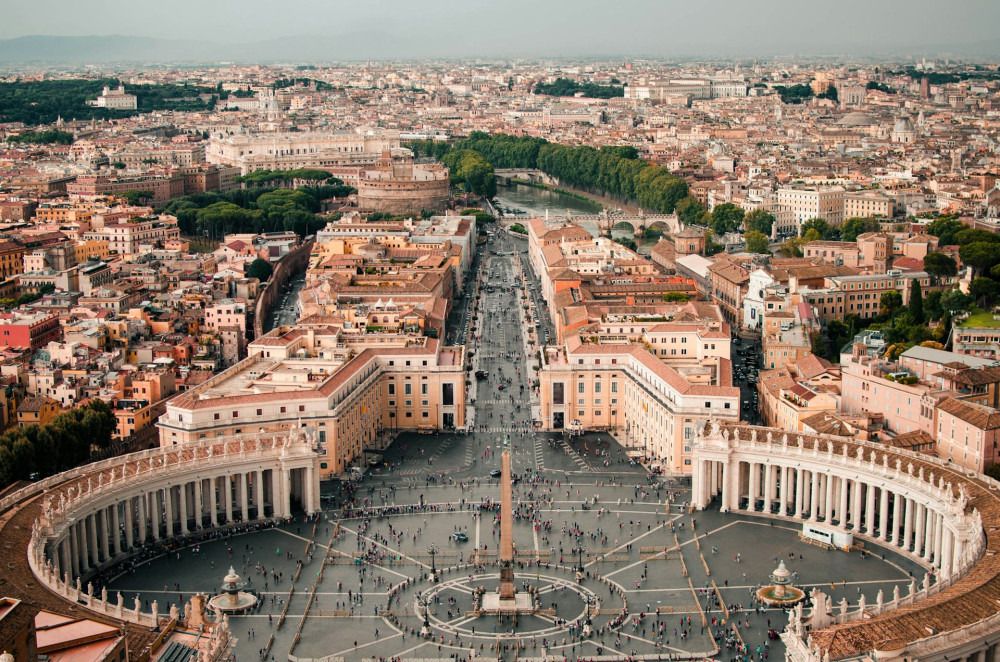
Before you book flights or fill your itinerary, take a moment to reflect on what you’re craving most. Do you need quiet mornings, nature, and time to sleep in? Or are you itching to discover new cities, try local food, and dive into new experiences?
Vacations often become stressful when we try to do too much in too little time. By clarifying what matters most to you (and your travel companions), you can prioritize and design a trip that fits your needs—not someone else’s idea of the perfect getaway.
Plan with Breathing Room
A great vacation plan includes both structure and flexibility. It’s tempting to pack your days with sightseeing, but often the best memories come from unplanned moments.
Create a loose outline with a few key activities, and leave the rest open. Allow time to wander through a neighborhood, linger over coffee, or take a spontaneous detour. A good rule of thumb is to plan one main activity per day—enough to feel engaged, but not overwhelmed.
Mix Up the Pace
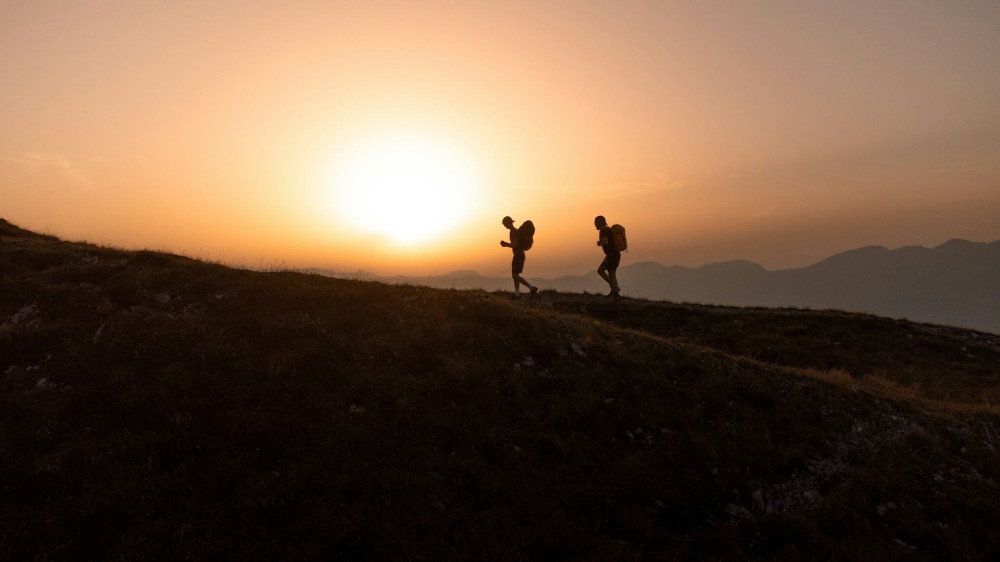
Balance also means variety. If you love adventure, pair active days with slower ones. After a day of hiking, kayaking, or exploring museums, give yourself permission to relax by the pool, read on the beach, or enjoy a leisurely brunch.
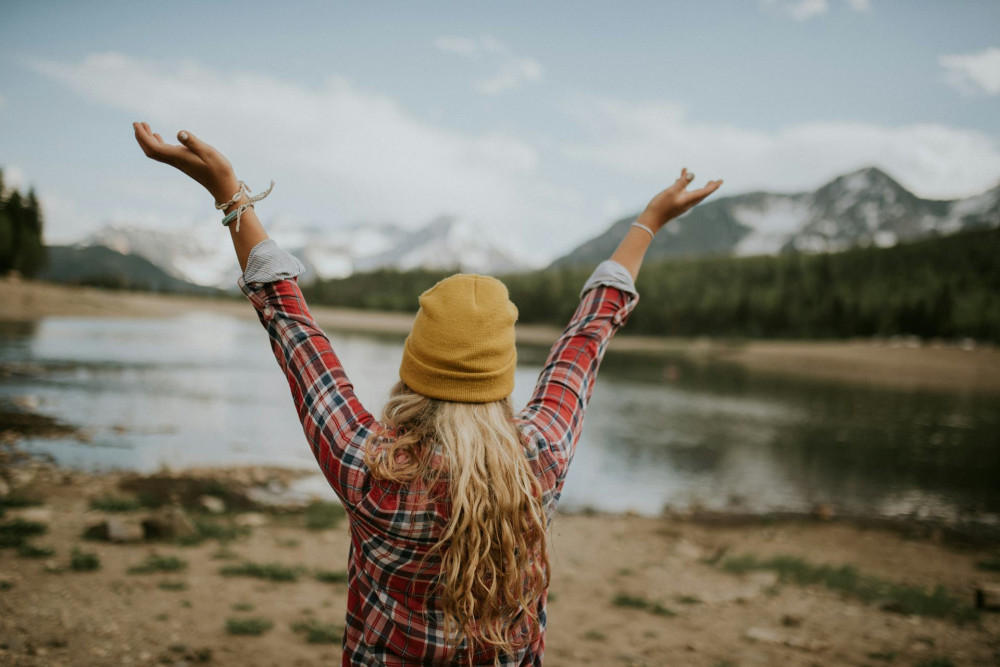
Choose destinations that offer both excitement and tranquility. In the U.S., places like Hawaii, Colorado, or the Pacific Northwest make it easy to combine outdoor adventure with peaceful downtime. You can hike in the morning and unwind by the water in the afternoon—no long travel days required.
Be Present in the Moment
Vacation is the perfect time to reconnect—with yourself, your loved ones, and your surroundings. That means letting go of the urge to check your phone constantly or plan every minute.
Create small rituals that encourage mindfulness: morning coffee on the balcony without screens, a sunset walk, or journaling about the day’s highlights. These simple moments often become the ones you remember most.
Avoid Pre- and Post-Vacation Stress
Stress doesn’t just happen during the trip—it can creep in before and after, too. Many people work overtime before leaving or rush through last-minute packing, only to start their vacation already drained.
Try to ease the transition: pack early, make a realistic to-do list, and give yourself a buffer day before departure. When you return, plan a day at home before jumping back into work. That extra space helps you hold onto the calm you found while away.
Læs også:

Travel with Intention, Not Pressure
In an age of social media, it’s easy to compare your vacation to others’ highlight reels. But the best trip isn’t necessarily the most exotic or Instagram-worthy—it’s the one that brings you joy, peace, and energy.
Set an intention for your vacation. Maybe you want to slow down, try something new, or simply give yourself permission to do nothing. Traveling with purpose makes your experiences more meaningful and helps you avoid the feeling that your vacation “just flew by.”
Bring the Balance Home
A great vacation doesn’t end when you unpack your suitcase. If you’ve found a rhythm of rest and balance, try to carry it into your everyday life. Keep a few of the habits you enjoyed—like taking a morning walk, eating meals without screens, or setting aside time to unwind in the evening.
That way, your vacation becomes more than a break—it becomes a reminder of how you want to live all year long.
Læs også: