Transportation and Distances: How They Affect Your Travel Experience

Transportation and Distances: How They Affect Your Travel Experience
When planning a trip, we often focus on the destination — the sights, the food, the culture, the scenery. But how we get there, and how we move around once we’ve arrived, plays a huge role in shaping our experience. Transportation and distances influence the pace, the mood, and even the memories we take home. Let’s take a closer look at how your travel choices affect your journey — and how you can use that knowledge to make your next trip more rewarding.
The Journey as Part of the Experience
For some travelers, transportation is just a means to an end — something to get through before the “real” vacation begins. For others, the journey itself is part of the adventure. A scenic train ride through the Rockies, a ferry trip to an island off the coast of Maine, or a road trip along the Pacific Coast Highway can all offer a deeper sense of place than a quick flight ever could.
Slow travel allows you to watch the landscape change and to feel the transition from one region to another. Fast travel, on the other hand, can create a sharp contrast between everyday life and vacation mode. Both have their appeal — it all depends on the kind of experience you’re looking for.
Distances and Pace – How Much Do You Want to Cover?
Distances play a major role in how you experience a destination. In the United States, where the scale is vast, it’s easy to underestimate how long it takes to get from one place to another. A drive that looks short on the map can turn into a full day on the road. Trying to “see it all” can quickly make a trip feel rushed and exhausting.
Think about how much time you want to spend in motion versus how much time you want to spend exploring. A trip focused on one region — say, New England or the Southwest — often allows for a more relaxed pace and deeper experiences. Covering multiple states in a week might sound exciting, but it requires careful planning and plenty of energy. Finding the right balance between variety and presence is key.
Læs også:


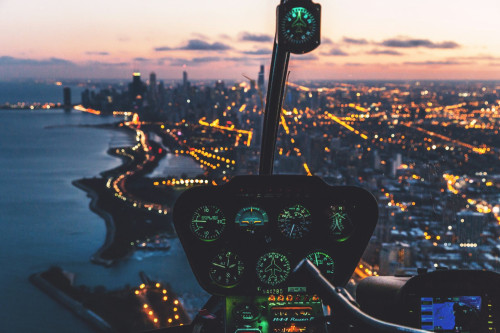

How Your Mode of Transport Shapes the Experience
The way you move through a place affects how you perceive it.
- On foot or by bike, you experience your surroundings up close. You notice the smells, the sounds, the weather — and you connect with the rhythm of local life.
- By train or bus, you get a glimpse of everyday life as towns and landscapes roll by, and you might even strike up conversations with locals.
- By car, you gain freedom and flexibility to explore remote areas, but you may also feel more isolated from the environment.
- By plane, you save time, but you lose the sense of distance and transition between places.
There’s no single “right” way to travel — but your choice will shape how you remember the journey.
When Transportation Becomes the Experience
Some trips are built around the act of traveling itself. A cross-country train ride, a classic Route 66 road trip, or a sailing adventure along the Florida Keys are all examples where movement is the main attraction. In these cases, transportation isn’t just a means to an end — it’s the heart of the experience.
Letting the journey be part of the adventure can bring a sense of freedom and discovery. You have time to absorb what you see, and you experience how landscapes, accents, and cultures shift gradually along the way.
Sustainability and Conscious Choices
In an era when environmental impact matters more than ever, how you travel also carries ethical weight. Trains, buses, and carpooling generally produce far less CO₂ than flying or driving solo. Choosing more sustainable options can reduce your footprint — and often lead to more authentic encounters with people and places.
Many travelers find that slower, lower-impact travel deepens their connection to the destination and makes the experience more meaningful.
Plan for the Experience – Not Just the Destination
When planning your next trip, think of transportation as part of the experience, not just a logistical detail. Ask yourself: Do I want to get there fast, or do I want to enjoy the journey? How much time do I want to spend moving, and how much simply being there?
By considering distances and modes of transport, you can design a trip that fits your pace, your values, and your expectations. Because in the end, it’s not only where you go that matters — it’s how you get there.
Læs også: