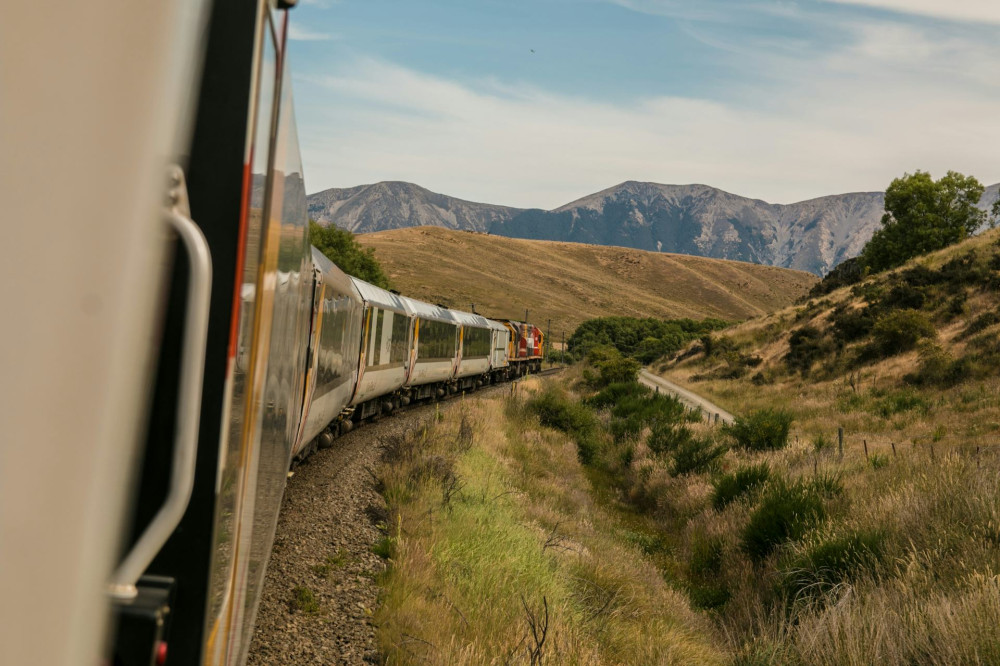
Green Transportation: Why Is Train Travel a Sustainable Choice?

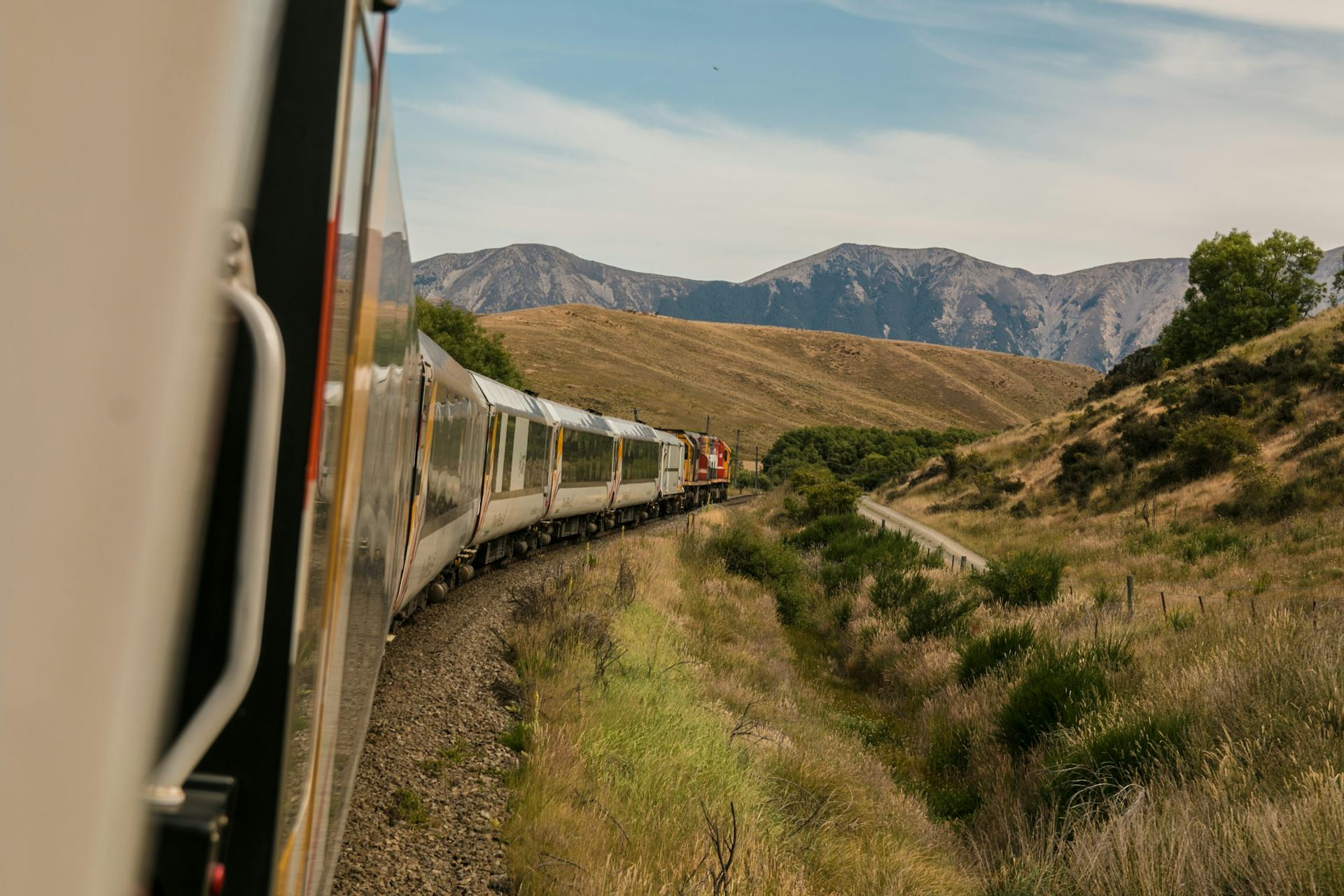
Green Transportation: Why Is Train Travel a Sustainable Choice?
As climate change and carbon emissions dominate public debate, transportation remains one of the biggest contributors to our environmental footprint. In the United States, cars and airplanes are still the go-to options for most travelers, whether commuting to work or heading out on vacation. But there’s a greener, often overlooked alternative: the train. Choosing rail travel can significantly reduce your environmental impact while offering a comfortable and stress-free way to get around. Here’s why train travel is one of the most sustainable choices you can make.
Lower Emissions, Greater Impact
Trains are among the most energy-efficient modes of transportation. On average, rail travel produces far less CO₂ per passenger mile than driving or flying. According to the U.S. Department of Energy, intercity rail can be up to three times more fuel-efficient than cars and up to eight times more efficient than airplanes. Because trains can carry hundreds of passengers at once, they use energy far more effectively than individual vehicles.
Every time you choose the train over a short-haul flight or a long car trip, you’re helping to cut down on greenhouse gas emissions and reduce traffic congestion—two major factors in the fight against climate change.
Electric Trains and Renewable Energy
While much of the U.S. rail network still relies on diesel, the shift toward electrification is gaining momentum. Electric trains, especially when powered by renewable energy sources like wind or solar, can make rail travel nearly carbon-neutral. Amtrak, for example, has committed to achieving net-zero emissions by 2045 and is investing in new, more efficient electric and hybrid locomotives.
Modern trains are also designed with sustainability in mind. Lightweight materials, regenerative braking systems that recover energy, and improved aerodynamics all contribute to lower energy consumption. As the nation’s power grid becomes greener, the environmental benefits of electric rail will only increase.
Comfort, Convenience, and Quality of Life
Sustainability isn’t just about emissions—it’s also about how we live and travel. Train journeys offer a level of comfort and relaxation that cars and planes rarely match. You can read, work, or simply enjoy the scenery without worrying about traffic jams, parking, or long security lines. Many train stations are located in city centers, making it easy to step off the train and start exploring right away.
For commuters, trains can turn travel time into productive or restful time. For vacationers, they offer a chance to slow down and enjoy the journey itself. In this way, train travel supports not only environmental sustainability but also personal well-being.
Læs også:


The Rise of Rail Travel in the U.S.
Although the U.S. has long been known as a car-centric nation, interest in train travel is growing. New high-speed rail projects in states like California, Texas, and Florida aim to connect major cities with fast, low-emission service. Regional networks in the Northeast and Pacific Northwest are expanding, and more Americans are discovering the convenience of rail for both business and leisure trips.
At the same time, technology is making train travel easier to plan. Online booking platforms and mobile apps allow travelers to compare routes, check schedules, and find the best fares—all while making a more sustainable choice.
The Future Is on the Rails
If the United States is to meet its climate goals, greener transportation options must become the norm—and trains are a key part of that future. Continued investment in rail infrastructure, electrification, and renewable energy will make train travel faster, cleaner, and more accessible.
Every trip by train instead of car or plane is a small but meaningful step toward a more sustainable future. By choosing the rails, you’re not just getting from one place to another—you’re helping to build a transportation system that works better for people and the planet alike.
Læs også: