Legendary Train Journeys: From Literature to Reality – Why They Still Fascinate Us

Legendary Train Journeys: From Literature to Reality – Why They Still Fascinate Us
There’s something timeless about the rhythm of wheels on rails, the unfolding scenery outside the window, and the quiet thrill of being in motion—not just toward a destination, but toward an experience. For more than a century, train journeys have captured the imagination of travelers and writers alike. From Agatha Christie’s intrigue aboard the Orient Express to the sweeping landscapes of the American West, trains have become symbols of adventure, nostalgia, and reflection. But what keeps us enchanted by them in an age of jet travel and instant connections?
The Train as a Stage for Stories
In literature, the train has always been more than a means of transport—it’s a world in miniature. Within its carriages, strangers meet, stories unfold, and lives intersect. Writers from Leo Tolstoy to Graham Greene and Paul Theroux have used trains as settings for drama, introspection, and transformation.
A train journey naturally lends itself to storytelling: a beginning, a passage, and an arrival. It’s a space where one can both escape and discover. Perhaps that’s why trains continue to resonate with us—they embody both movement and stillness, control and chance.
From the Orient Express to the Trans-Siberian Railway
Some train routes have achieved near-mythic status. The Orient Express, once linking Paris and Istanbul, became synonymous with luxury and mystery. Though the original route no longer operates in its classic form, its spirit lives on in the Venice Simplon-Orient-Express, where travelers can still dine on fine china amid art deco elegance, reliving the glamour of a bygone era.
At the other extreme lies the Trans-Siberian Railway, stretching over 5,700 miles from Moscow to Vladivostok. This is not a journey of luxury but of endurance and perspective. Crossing seven time zones, it offers a slow, immersive passage through forests, steppes, and cities—a reminder of the vastness of the world and the patience it takes to truly see it.
Legendary Routes Closer to Home
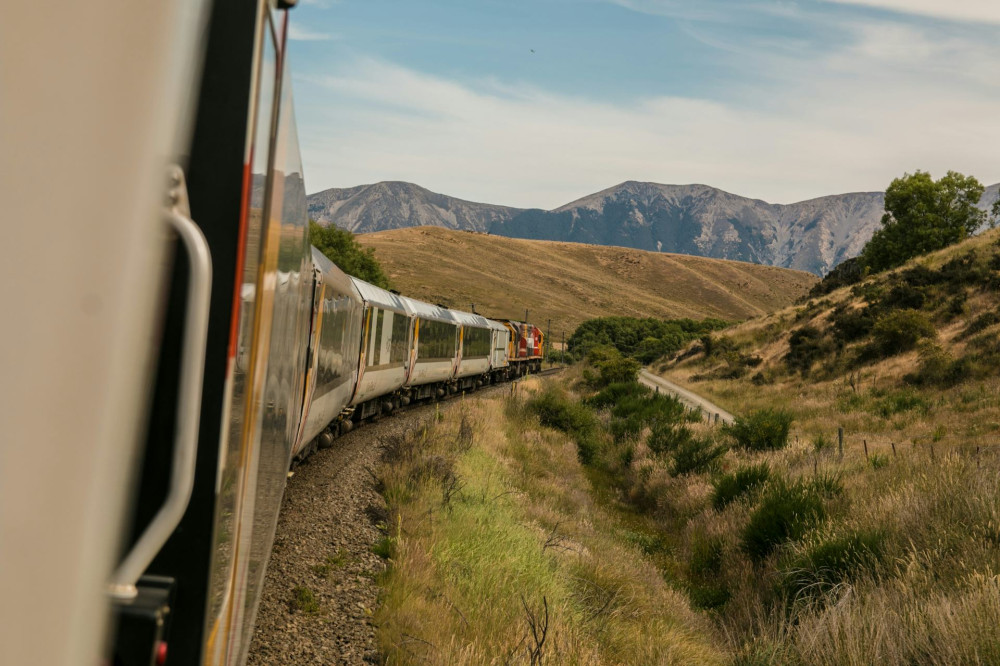
For American travelers, legendary train journeys are not confined to Europe or Asia. The California Zephyr, running from Chicago to San Francisco, is often called the most beautiful train ride in the United States. It crosses the Rockies and the Sierra Nevada, offering panoramic views of canyons, deserts, and mountain passes.
Then there’s the Coast Starlight, tracing the Pacific shoreline from Los Angeles to Seattle, where passengers can watch the sun set over the ocean from the comfort of a lounge car. And for those drawn to history, the Southwest Chief follows parts of the old Santa Fe Trail, echoing the pioneering spirit that helped shape the nation.
The Modern Revival of Train Travel
In recent years, train travel has experienced a renaissance. Part of this revival stems from a growing awareness of sustainability—trains emit far less carbon than planes—but it’s also about the experience itself. Travelers are rediscovering the appeal of slow travel: the chance to watch landscapes change, to read, to think, to simply be present.
Luxury trains such as the Rocky Mountaineer in Canada or the Belmond Royal Scotsman in the UK combine comfort with immersion, offering fine dining and scenic splendor. Meanwhile, in the U.S., Amtrak’s sleeper routes are gaining popularity among those who want to wake up in a new city without the stress of airports.
The Poetry of the Slow Journey
In a world obsessed with speed and efficiency, the train offers something rare: time. Time to look out the window, to talk to fellow travelers, to let thoughts wander in rhythm with the tracks. That may be the greatest reason trains still fascinate us—they allow us to experience travel as a process, not just a result.
Unlike airplanes, which lift us above the world, trains keep us grounded—connected to the land, to people, to stories. Watching the scenery shift from city to prairie, from mountains to coast, we’re reminded of the diversity and beauty of the world we inhabit.
From Dream to Reality
Many of the routes that once existed only in novels or films can still be experienced today. You can cross the Alps on the Bernina Express, follow the Scottish coast on the West Highland Line, or trace the American frontier on the Empire Builder. For some, these journeys are nostalgic pilgrimages; for others, they’re new ways to see the world.
Whether you’re sipping champagne in a vintage dining car or enjoying coffee from a paper cup in a simple coach seat, the essence remains the same: the feeling of being in motion, of watching the world unfold at a human pace.
Læs også:

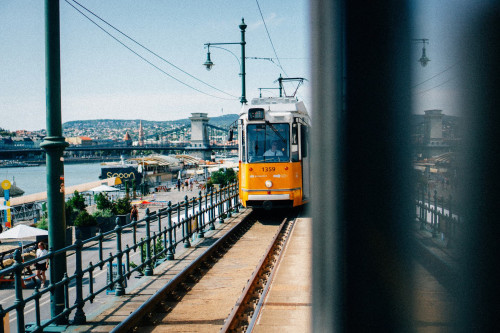
Why They Still Captivate Us
Train journeys unite the practical with the poetic. They remind us that travel isn’t only about arrival—it’s about everything that happens along the way. In the steady rhythm of the rails, we find both movement and meaning.
Perhaps that’s why legendary train routes endure—not just as transportation, but as living stories, dreams on steel tracks, and timeless invitations to see the world differently.
Læs også: